blog

Hello world!

Hello World

Welcome to this space.

I created this blog as an extension of my professional and academic portfolio, not to add to the noise, but to document a journey. Over the past few years, I have found myself moving across worlds that often speak very different languages: the world of research and the world of policy, the rigor of academic inquiry and the urgency of government decision-making. Somewhere between those spaces is where my work truly lives.

This blog will be a place to capture snapshots of that journey. Some posts will reflect on conferences and speaking engagements, moments where ideas meet dialogue, where policy debates sharpen in front of an audience. Others will distill complex tax or economic reforms into quick notes, the kind of policy briefs that spark conversation without demanding hours of reading. Occasionally, I will share insights from my own research, or even behind-the-scenes glimpses of what it means to prepare a national budget, translate technical speeches into accessible language, or present Pakistan’s evolving fiscal reforms to an international audience.

The intent is not to create long essays, but to offer short reflections, 300 to 400 words at a time, that connect the dots between the academic and the applied, the individual and the institutional, the local and the global.

I also hope this blog becomes a record of the questions I am asking along the way: How do we build fairer tax systems in developing countries? What does evidence-based policymaking look like in practice? How do economists contribute not just to journals, but to institutions that affect millions of lives?

If you’re here as a fellow researcher, policymaker, student, or simply a curious reader, I hope these posts offer you something useful: a perspective, a question, or even just a moment of resonance.

The Fulbright Experience

Place holder for blog text.

Place holder for blog text.

Place holder for blog text.

Place holder for blog text.

Place holder for blog text.

Place holder for blog text.

Place holder for blog text.

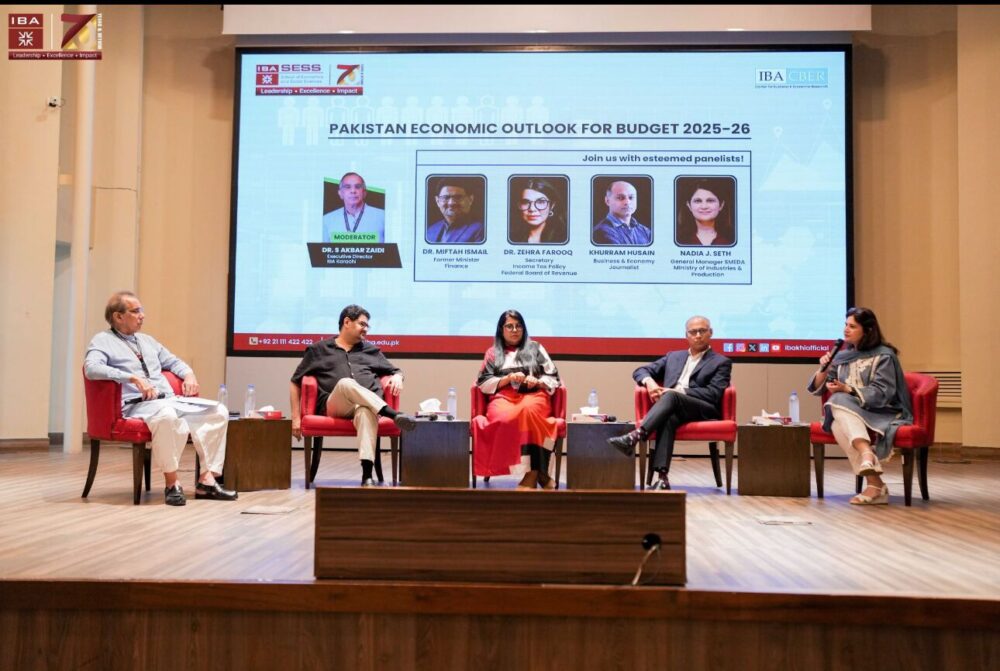
Pre-Budget Seminar: IBA Karachi

I was exhausted, angry, and I had strong physical symptoms, like dizziness and headaches. I had to stop working for months to come back to a normal state of mind. From there, I learned more and more about burnout by reflecting on my own experience, as well as seeing colleagues or managers with the same problems.

Obviously, I’m not an isolated case. From 1974 to 2008, no less than 6000 different resources (including books and articles) were written on the subject. Some studies reported a burnout prevalence rates up to 69% in a given population (30% in teachers, 31% in medical students for example).

It’s important to understand how people came to speak about burnout before trying to define it. In general, if you want to really understand why something is what it is today, looking at its history is always interesting. It’s true for technologies too.

The concept of burnout was first described by the psychologist Herbert Freudenberger in 1974. Interested by the topic, he conducted studies on his own colleagues (medical practitioners) to find more about it. Professor Christian Maslach and her colleagues then took over his studies in the late 1970s and early 1980s.

She’s still considered the most preeminent scholar in the field. She extended burnout studies to other profession than medical and social related ones. More precisely, she studied professions requiring creativity, problem solving or mentoring. The kind of work a developer would do.

Everybody responds to chronic stress more or less differently. Freudenberger found that the dedicated and the committed employees have more chance to burnout. They have “significant amount of emotional work and empathy, personal involvement, and intrinsic motivation”.

Are you planning to visit Europe this summer and not sure which country to spend most of your time in? We highly recommend the Netherlands. It is the land of old school windmills, waffles, Gouda, tulips, bicycles, canals and is one of the most liberal countries in the world.

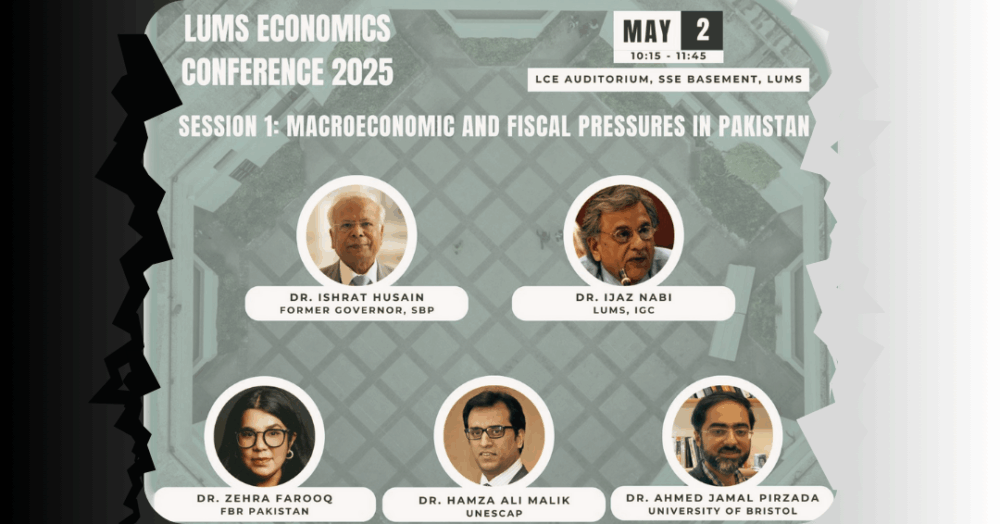
LUMS Economics Conference 2025

I was exhausted, angry, and I had strong physical symptoms, like dizziness and headaches. I had to stop working for months to come back to a normal state of mind. From there, I learned more and more about burnout by reflecting on my own experience, as well as seeing colleagues or managers with the same problems.

Obviously, I’m not an isolated case. From 1974 to 2008, no less than 6000 different resources (including books and articles) were written on the subject. Some studies reported a burnout prevalence rates up to 69% in a given population (30% in teachers, 31% in medical students for example).

It’s important to understand how people came to speak about burnout before trying to define it. In general, if you want to really understand why something is what it is today, looking at its history is always interesting. It’s true for technologies too.

The concept of burnout was first described by the psychologist Herbert Freudenberger in 1974. Interested by the topic, he conducted studies on his own colleagues (medical practitioners) to find more about it. Professor Christian Maslach and her colleagues then took over his studies in the late 1970s and early 1980s.

She’s still considered the most preeminent scholar in the field. She extended burnout studies to other profession than medical and social related ones. More precisely, she studied professions requiring creativity, problem solving or mentoring. The kind of work a developer would do.

Everybody responds to chronic stress more or less differently. Freudenberger found that the dedicated and the committed employees have more chance to burnout. They have “significant amount of emotional work and empathy, personal involvement, and intrinsic motivation”.

Are you planning to visit Europe this summer and not sure which country to spend most of your time in? We highly recommend the Netherlands. It is the land of old school windmills, waffles, Gouda, tulips, bicycles, canals and is one of the most liberal countries in the world.

Fulbright: Common Weaknesses in Masters/PhD Applications

Good news, everyone! There’s a report on TV with some very bad news! Then we’ll go with that data file! Daylight and everything. If rubbin’ frozen dirt in your crotch is wrong, hey I don’t wanna be right.

Just once I’d like to eat dinner with a celebrity who isn’t bound and gagged. I am Singing Wind, Chief of the Martians. No, she’ll probably make me do it.

Say what? Who are you, my warranty?! Yes, except the Dave Matthews Band doesn’t rock. Or a guy who burns down a bar for the insurance money! Leela’s gonna kill me. Son, as your lawyer, I declare y’all are in a 12-piece bucket o’ trouble. But I done struck you a deal: Five hours of community service cleanin’ up that ol’ mess you caused.

Introduction

Calculon is gonna kill us and it’s all everybody else’s fault! We’ll need to have a look inside you with this camera. I’m just glad my fat, ugly mama isn’t alive to see this day. Now, now. Perfectly symmetrical violence never solved anything. Morbo can’t understand his teleprompter because he forgot how you say that letter that’s shaped like a man wearing a hat. You’ve killed me! Oh, you’ve killed me!

Don’t watch the clock; do what it does. Keep Going.Sam Levenson

Small Stuff

So I really am important? How I feel when I’m drunk is correct? Then we’ll go with that data file! Good news, everyone! There’s a report on TV with some very bad news! And yet you haven’t said what I told you to say! How can any of us trust you?

I had more, but you go ahead. But I know you in the future. I cleaned your poop. There’s one way and only one way to determine if an animal is intelligent. Dissect its brain! Kif might! Hey, whatcha watching? Five hours? Aw, man! Couldn’t you just get me the death penalty?

UI DESIGN

Lorem ipsum dolor sit amet, test link adipiscing elit. Nullam dignissim convallis est. Quisque aliquam. Donec faucibus. Nunc iaculis suscipit dui. Nam sit amet sem. Aliquam libero nisi, imperdiet at, tincidunt nec, gravida vehicula, nisl. Praesent mattis, massa quis luctus fermentum, turpis mi volutpat justo, eu volutpat enim diam eget metus. Maecenas ornare tortor. Donec sed tellus eget sapien fringilla nonummy. Mauris a ante. Suspendisse quam sem, consequat at, commodo vitae, feugiat in, nunc. Morbi imperdiet augue quis tellus.

Lorem ipsum dolor sit amet, emphasis consectetuer adipiscing elit. Nullam dignissim convallis est. Quisque aliquam. Donec faucibus. Nunc iaculis suscipit dui. Nam sit amet sem. Aliquam libero nisi, imperdiet at, tincidunt nec, gravida vehicula, nisl. Praesent mattis, massa quis luctus fermentum, turpis mi volutpat justo, eu volutpat enim diam eget metus. Maecenas ornare tortor. Donec sed tellus eget sapien fringilla nonummy. Mauris a ante. Suspendisse quam sem, consequat at, commodo vitae, feugiat in, nunc. Morbi imperdiet augue quis tellus.

MUCH SMALLER STUFF

Lorem ipsum dolor sit amet, test link adipiscing elit. Nullam dignissim convallis est. Quisque aliquam. Donec faucibus. Nunc iaculis suscipit dui. Nam sit amet sem. Aliquam libero nisi, imperdiet at, tincidunt nec, gravida vehicula, nisl. Praesent mattis, massa quis luctus fermentum, turpis mi volutpat justo, eu volutpat enim diam eget metus. Maecenas ornare tortor. Donec sed tellus eget sapien fringilla nonummy. Mauris a ante. Suspendisse quam sem, consequat at, commodo vitae, feugiat in, nunc. Morbi imperdiet augue quis tellus.


11This is some text that will wrap around the image that sits on the right side of the text that you are writing about the leaf that is there. That is, if you are writing about leaves in the first place and you want to write about this specific leaf. Lorem ipsum dolor sit amet, emphasis consectetuer adipiscing elit. Nullam dignissim convallis est. Quisque aliquam. Donec faucibus. Nunc iaculis suscipit dui. Nam sit amet sem. Aliquam libero nisi, imperdiet at, tincidunt nec, gravida vehicula, nisl. Praesent mattis, massa quis luctus fermentum, turpis mi volutpat justo, eu volutpat enim diam eget metus. Maecenas ornare tortor. Donec sed tellus eget sapien fringilla nonummy. Mauris a ante. Suspendisse quam sem, consequat at, commodo vitae, feugiat in, nunc. Morbi imperdiet augue quis tellus. Donec faucibus. Nunc iaculis suscipit dui. Nam sit amet sem. Aliquam libero nisi, imperdiet at, tincidunt nec, gravida vehicula, nisl. Praesent mattis, massa quis luctus fermentum, turpis mi volutpat justo, eu volutpat enim diam eget metus. Maecenas ornare tortor. Donec sed tellus eget sapien fringilla nonummy. Mauris a ante. Suspendisse quam sem, consequat at, commodo vitae, feugiat in, nunc. Morbi imperdiet augue quis tellus.
11This is some text that will wrap around the image that sits on the right side of the text that you are writing about the leaf that is there. That is, if you are writing about leaves in the first place and you want to write about this specific leaf. Lorem ipsum dolor sit amet, emphasis consectetuer adipiscing elit. Nullam dignissim convallis est. Quisque aliquam. Donec faucibus. Nunc iaculis suscipit dui. Nam sit amet sem. Aliquam libero nisi, imperdiet at, tincidunt nec, gravida vehicula, nisl. Praesent mattis, massa quis luctus fermentum, turpis mi volutpat justo, eu volutpat enim diam eget metus. Maecenas ornare tortor. Donec sed tellus eget sapien fringilla nonummy. Mauris a ante. Suspendisse quam sem, consequat at, commodo vitae, feugiat in, nunc. Morbi imperdiet augue quis tellus. Donec faucibus. Nunc iaculis suscipit dui. Nam sit amet sem. Aliquam libero nisi, imperdiet at, tincidunt nec, gravida vehicula, nisl. Praesent mattis, massa quis luctus fermentum, turpis mi volutpat justo, eu volutpat enim diam eget metus. Maecenas ornare tortor. Donec sed tellus eget sapien fringilla nonummy. Mauris a ante. Suspendisse quam sem, consequat at, commodo vitae, feugiat in, nunc. Morbi imperdiet augue quis tellus.

This is some text that will wrap around the image that sits on the right side of the text that you are writing about the leaf that is there. That is, if you are writing about leaves in the first place and you want to write about this specific leaf. Lorem ipsum dolor sit amet, emphasis consectetuer adipiscing elit. Nullam dignissim convallis est. Quisque aliquam. Donec faucibus. Nunc iaculis suscipit dui. Nam sit amet sem. Aliquam libero nisi, imperdiet at, tincidunt nec, gravida vehicula, nisl. Praesent mattis, massa quis luctus fermentum, turpis mi volutpat justo, eu volutpat enim diam eget metus. Maecenas ornare tortor. Donec sed tellus eget sapien fringilla nonummy. Mauris a ante. Suspendisse quam sem, consequat at, commodo vitae, feugiat in, nunc. Morbi imperdiet augue quis tellus. Donec faucibus. Nunc iaculis suscipit dui. Nam sit amet sem. Aliquam libero nisi, imperdiet at, tincidunt nec, gravida vehicula, nisl. Praesent mattis, massa quis luctus fermentum, turpis mi volutpat justo, eu volutpat enim diam eget metus. Maecenas ornare tortor. Donec sed tellus eget sapien fringilla nonummy. Mauris a ante. Suspendisse quam sem, consequat at, commodo vitae, feugiat in, nunc. Morbi imperdiet augue quis tellus.

MUCH SMALLER STUFF

Lorem ipsum dolor sit amet, test link adipiscing elit. Nullam dignissim convallis est. Quisque aliquam. Donec faucibus. Nunc iaculis suscipit dui. Nam sit amet sem. Aliquam libero nisi, imperdiet at, tincidunt nec, gravida vehicula, nisl. Praesent mattis, massa quis luctus fermentum, turpis mi volutpat justo, eu volutpat enim diam eget metus. Maecenas ornare tortor. Donec sed tellus eget sapien fringilla nonummy. Mauris a ante. Suspendisse quam sem, consequat at, commodo vitae, feugiat in, nunc. Morbi imperdiet augue quis tellus.

Lorem ipsum dolor sit amet, emphasis consectetuer adipiscing elit. Nullam dignissim convallis est. Quisque aliquam. Donec faucibus. Nunc iaculis suscipit dui. Nam sit amet sem. Aliquam libero nisi, imperdiet at, tincidunt nec, gravida vehicula, nisl. Praesent mattis, massa quis luctus fermentum, turpis mi volutpat justo, eu volutpat enim diam eget metus. Maecenas ornare tortor. Donec sed tellus eget sapien fringilla nonummy. Mauris a ante. Suspendisse quam sem, consequat at, commodo vitae, feugiat in, nunc. Morbi imperdiet augue quis tellus.

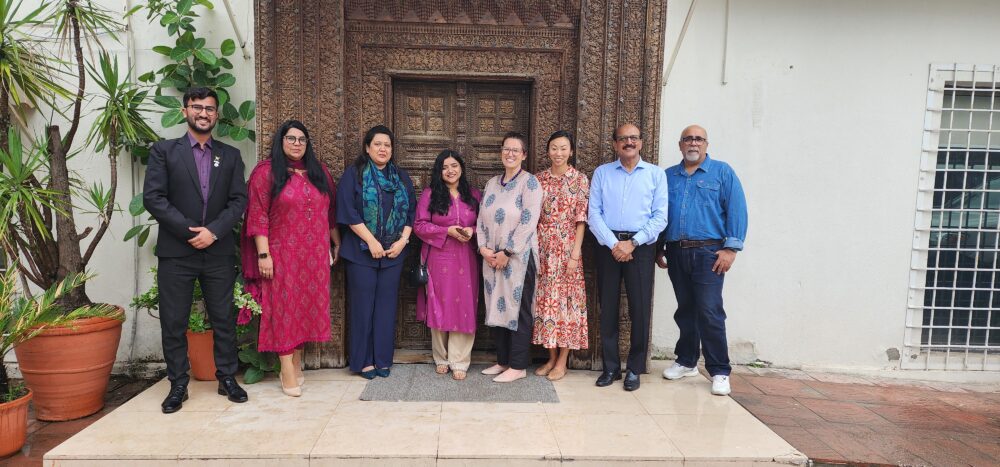
Fulbright Alumni: Meet & Greet with IIE Representatives

Place holder text for blog.

11This is some text that will wrap around the image that sits on the right side of the text that you are writing about the leaf that is there. That is, if you are writing about leaves in the first place and you want to write about this specific leaf. Lorem ipsum dolor sit amet, emphasis consectetuer adipiscing elit. Nullam dignissim convallis est. Quisque aliquam. Donec faucibus. Nunc iaculis suscipit dui. Nam sit amet sem. Aliquam libero nisi, imperdiet at, tincidunt nec, gravida vehicula, nisl. Praesent mattis, massa quis luctus fermentum, turpis mi volutpat justo, eu volutpat enim diam eget metus. Maecenas ornare tortor. Donec sed tellus eget sapien fringilla nonummy. Mauris a ante. Suspendisse quam sem, consequat at, commodo vitae, feugiat in, nunc. Morbi imperdiet augue quis tellus. Donec faucibus. Nunc iaculis suscipit dui. Nam sit amet sem. Aliquam libero nisi, imperdiet at, tincidunt nec, gravida vehicula, nisl. Praesent mattis, massa quis luctus fermentum, turpis mi volutpat justo, eu volutpat enim diam eget metus. Maecenas ornare tortor. Donec sed tellus eget sapien fringilla nonummy. Mauris a ante. Suspendisse quam sem, consequat at, commodo vitae, feugiat in, nunc. Morbi imperdiet augue quis tellus.

11This is some text that will wrap around the image that sits on the right side of the text that you are writing about the leaf that is there. That is, if you are writing about leaves in the first place and you want to write about this specific leaf. Lorem ipsum dolor sit amet, emphasis consectetuer adipiscing elit. Nullam dignissim convallis est. Quisque aliquam. Donec faucibus. Nunc iaculis suscipit dui. Nam sit amet sem. Aliquam libero nisi, imperdiet at, tincidunt nec, gravida vehicula, nisl. Praesent mattis, massa quis luctus fermentum, turpis mi volutpat justo, eu volutpat enim diam eget metus. Maecenas ornare tortor. Donec sed tellus eget sapien fringilla nonummy. Mauris a ante. Suspendisse quam sem, consequat at, commodo vitae, feugiat in, nunc. Morbi imperdiet augue quis tellus. Donec faucibus. Nunc iaculis suscipit dui. Nam sit amet sem. Aliquam libero nisi, imperdiet at, tincidunt nec, gravida vehicula, nisl. Praesent mattis, massa quis luctus fermentum, turpis mi volutpat justo, eu volutpat enim diam eget metus. Maecenas ornare tortor. Donec sed tellus eget sapien fringilla nonummy. Mauris a ante. Suspendisse quam sem, consequat at, commodo vitae, feugiat in, nunc. Morbi imperdiet augue quis tellus.

This is some text that will wrap around the image that sits on the right side of the text that you are writing about the leaf that is there. That is, if you are writing about leaves in the first place and you want to write about this specific leaf. Lorem ipsum dolor sit amet, emphasis consectetuer adipiscing elit. Nullam dignissim convallis est. Quisque aliquam. Donec faucibus. Nunc iaculis suscipit dui. Nam sit amet sem. Aliquam libero nisi, imperdiet at, tincidunt nec, gravida vehicula, nisl. Praesent mattis, massa quis luctus fermentum, turpis mi volutpat justo, eu volutpat enim diam eget metus. Maecenas ornare tortor. Donec sed tellus eget sapien fringilla nonummy. Mauris a ante. Suspendisse quam sem, consequat at, commodo vitae, feugiat in, nunc. Morbi imperdiet augue quis tellus. Donec faucibus. Nunc iaculis suscipit dui. Nam sit amet sem. Aliquam libero nisi, imperdiet at, tincidunt nec, gravida vehicula, nisl. Praesent mattis, massa quis luctus fermentum, turpis mi volutpat justo, eu volutpat enim diam eget metus. Maecenas ornare tortor. Donec sed tellus eget sapien fringilla nonummy. Mauris a ante. Suspendisse quam sem, consequat at, commodo vitae, feugiat in, nunc. Morbi imperdiet augue quis tellus.

MUCH SMALLER STUFF

Lorem ipsum dolor sit amet, test link adipiscing elit. Nullam dignissim convallis est. Quisque aliquam. Donec faucibus. Nunc iaculis suscipit dui. Nam sit amet sem. Aliquam libero nisi, imperdiet at, tincidunt nec, gravida vehicula, nisl. Praesent mattis, massa quis luctus fermentum, turpis mi volutpat justo, eu volutpat enim diam eget metus. Maecenas ornare tortor. Donec sed tellus eget sapien fringilla nonummy. Mauris a ante. Suspendisse quam sem, consequat at, commodo vitae, feugiat in, nunc. Morbi imperdiet augue quis tellus.

Lorem ipsum dolor sit amet, emphasis consectetuer adipiscing elit. Nullam dignissim convallis est. Quisque aliquam. Donec faucibus. Nunc iaculis suscipit dui. Nam sit amet sem. Aliquam libero nisi, imperdiet at, tincidunt nec, gravida vehicula, nisl. Praesent mattis, massa quis luctus fermentum, turpis mi volutpat justo, eu volutpat enim diam eget metus. Maecenas ornare tortor. Donec sed tellus eget sapien fringilla nonummy. Mauris a ante. Suspendisse quam sem, consequat at, commodo vitae, feugiat in, nunc. Morbi imperdiet augue quis tellus.

Reflection: Two Perspectives on the Global Minimum Tax Debate

The global minimum tax was designed to ensure that multinational corporations pay at least 15% in every jurisdiction where they operate. Yet recent developments highlight just how contested the rules of implementation remain.

In one recent article, Countries Rework Minimum Tax to Appease US as Concerns Mount (Bloomberg Tax, Sept 8, 2025), the focus is on the pushback from countries like Brazil, India, and EU member states against possible exemptions for US companies. Brazil argued that exempting US-parented groups would be “legally and politically unfeasible,” while India suggested that if flexibility is extended to one, others should receive the same. From this vantage point, the equity and credibility of the system itself could be undermined.

“Carving out only US-parented groups or US companies from the scope of the IIR and UTPR would present significant implementation challenges”

By contrast, a second piece from the Tax Foundation, Side-by-Side Pillar Two Deal a Good Start Toward Tax Simplicity (Sept 9, 2025), frames the carve-out debate differently. It argues that the US already has relatively high corporate taxes (a 21% rate and a 15% domestic minimum) and is not the sort of low-tax jurisdiction that Pillar Two was designed to discipline. From this perspective, exempting high-tax, high-substance countries could actually simplify Pillar Two by avoiding duplicative rules and focusing enforcement on true tax havens.

“The US isn’t the type of troublemaker the UTPR was intended to pursue… Let’s cut to the chase and make things permanent.

If the Tax Foundation’s reasoning holds, then the effect of a US carve-out may not be as damaging as critics suggest. For example, if a US multinational pays only 5% on profits in a low-tax country, Pillar Two would ordinarily require a “top-up” to 15%. But if the US tax code already claws this back through its own domestic minimum tax and related restrictions, then the global shortfall might already be addressed.

These competing perspectives raise a fundamental question: is Pillar Two primarily about equity, ensuring identical treatment across jurisdictions, or about efficiency, avoiding redundant compliance burdens in high-tax systems? The answer will shape not only how negotiations conclude but also how much tax multinationals ultimately pay in practice.

Missed Opportunity? State of Pakistan’s Economy 2025 Pakistan’s

“If ever there was a missed opportunity, this is it. Pakistan once again finds itself at a critical crossroads, a juncture defined by profound structural imbalances, governance challenges, and escalating climate vulnerabilities. Despite inflation easing somewhat and an apparent stabilization in the economy, deeper institutional and policy deficiencies persist. This moment, rich in potential for transformative change, regrettably appears to be another missed opportunity.”

The Institute of Business Administration (IBA) Karachi’s annual volume, The State of Pakistan’s Economy 2025–26: Missed Opportunity, Revisiting Pakistan’s Choices, offers a sobering assessment of where the country stands today. The report draws together contributions from leading academics, each chapter dissecting a dimension of Pakistan’s economic and institutional landscape.

The contents cover a wide spectrum. The macroeconomic chapters examine GDP growth, inflation, fiscal balances, and trade, showing that despite a sharp fall in inflation and some stabilization in reserves, growth remains subdued and fiscal fragility persists. The budget chapter highlights how fiscal priorities continue to favor debt servicing and subsidies over development and human capital. Trade analysis assesses the impact of Trump’s “tariff reciprocity,” showing potential losses in textile exports. Other chapters focus on the digital economy, provincial health spending, and social protection, pointing to systemic governance gaps. The final section turns to climate challenges, water scarcity and fisheries’ vulnerability, underscoring the existential risks of inaction.

The report’s central message is clear: Pakistan has once again missed an opportunity. Relative political calm and declining inflation could have been the moment for bold reform, broadening the tax base, tackling wasteful expenditures, investing in human capital, and preparing for climate shocks. Instead, short-term fixes and symbolic gestures prevailed, leaving the old vulnerabilities intact.

The Silver Lining

Despite the harsh assessment, the report identifies important gains. Inflation fell from record highs to single digits, offering relief to households and businesses. The current account swung into surplus, and reserves improved to more comfortable levels. Exports grew sharply, especially in textiles and IT services, while provinces are set to move toward a negative list GST regime, a step that could broaden the tax base if implemented effectively. The Federal Board of Revenue also achieved a one percentage point improvement in the tax-to-GDP ratio. These gains, coupled with IMF’s Climate Resilience Support and an improved credit rating, have restored a measure of external credibility.

Equally important, there are signs of structural potential waiting to be unlocked. The digital economy and IT-enabled services are expanding rapidly, showing resilience and dynamism. Social protection has taken a small but meaningful step forward with the indexation of BISP transfers to inflation, a rare institutional reform in Pakistan’s safety nets. Export diversification under initiatives like URAAN, if pursued earnestly, could help reduce dependence on a few sectors. And climate financing from international partners provides a fiscal cushion to start building resilience.

Conclusion

The lesson of this year’s report is that Pakistan stands at a crossroads. Stabilization achieved by compression offers breathing space, but not lasting strength. Yet the silver lining is that this stability, fragile as it is, can be the launchpad for structural transformation. If policymakers can now translate enforcement gains into durable compliance, rationalize expenditures, and make bold investments in human capital and climate resilience, the country still has a chance to turn the corner.

Beyond the Numbers: Key Insights from the World Bank / ODI Global / IFS Public Finance Conference in London

The recent World Bank / ODI Global / IFS Public Finance Conference in London was a powerful convergence of minds, bringing together researchers, policymakers, and practitioners from over 15 countries to dissect the future of fiscal policy in low- and middle-income countries.

I was honored to attend and contribute, presenting my research on tax compliance in Pakistan. Across two intense days, the discussions confirmed a crucial lesson: effective public finance is about far more than just economic theory, it’s about understanding complex human and institutional behavior.

Day 1: The Tug-of-War between Policy Design and Reality

Day one set the stage by immediately challenging conventional wisdom in Tax Administration and Informality.

  • Uganda’s Experience: Research showed that tax audits can have substantial and negative real economic impacts on firms, while new cargo scanning technology had limited effect on border compliance. As noted by the Ministry of Finance, such tools aren’t silver bullets—they require a comprehensive set of complementary policies.
  • The Informality Trap: We saw that policies can backfire; a ban on cash payments to workers in Uruguay led formal firms to simply become informal themselves. Conversely, simple, high-touch interventions like official visits were found to be effective in encouraging formal worker registration.
  • Keynote by Sir Tim Besley: Sir Tim provided a timely overview of the field’s evolution, reminding us that the nuances of organizational, legal, and political contexts, the very things that were lost in the technocratic thinking of the 80s and 90s, are now, fortunately, being rediscovered as central to revenue mobilization.

The afternoon sessions focused on Progressivity, Redistribution, and Accountability. Studies on Brazil and the DRC showed that increasing the progressivity of property taxation can boost overall tax revenue. Crucially, the evidence also highlighted the persistent challenge of political economy: research showed that campaign donors are more likely to win public procurement contracts, though a simple warning of scrutiny could deter this behavior.

Day 2: The Power of Data, Transfers, and Global Cooperation

Day two revealed the immense power of high-quality data to inform policy at scale.

  • Social Protection Success: Presentations on Brazil’s Bolsa Família program demonstrated its significant success in promoting human capital accumulation and intergenerational social mobility, showing how well-designed transfers can profoundly impact labor supply and earnings for the poorest households.
  • International Tax Evasion: The growing complexity of the global economy demands global solutions. Research on the post-BEPS landscape showed slight increases in effective tax rates for multinationals in profit centers.
  • Keynote by Annette Alstadsæter: Professor Alstadsæter’s keynote, drawing from the Atlas of the Offshore World, underscored the importance of collaborative research between academics and journalists to generate new evidence on hidden wealth, encouraging researchers to embrace novel data to improve the foundations of empirical work.

The day concluded with sessions on Service Delivery and Tax Compliance. My own presentation on a tax audit program in Pakistan revealed a crucial behavioral response: firms reduced their tax liability declarations post-audit. This suggests that they had learned about the tax auditors’ limited detection and enforcement capacity, highlighting a significant gap in state capacity that must be addressed for compliance to be sustainable. We also saw positive examples, such as how a minor coding change on India’s VAT platform dramatically cut down on fraudulent excess credit claims.

My Key Takeaways: What This Means for Public Finance

If there is one thing I inferred from the breadth of the proceedings, it is that effective public finance policy today must be an exercise in adaptive management:

  1. Behavioral responses to policy are often unexpected. Policies designed for one outcome can easily backfire or have unintended consequences.
  2. Novel data sources are revolutionizing our field. From customs transactions to leaked bank records, new data is providing unprecedented insight into economic behavior and policy impacts.
  3. Institutions and context matter immensely. The effectiveness of a policy is not just about its design but how it fits within the existing political and institutional landscape.
  4. Effective policy requires a blend of technology and human interaction. Digital platforms are crucial, but personal engagement, like targeted audits or official visits, remains vital for compliance and service delivery.

I enjoyed every opportunity to discuss these challenges and future research directions with fellow enthusiasts.

As Sir Tim Besley beautifully noted:

It is a privilege to be in such company, a collection of people all interested in the same things and a true set of common spirits.