Static and Dynamic effects of Tax Audits on Corporate Tax Evasion, Indirect Evasion, and Non-Compliance
Research Question:
Do tax audits permanently alter evasion and non-compliance behavior in the absence of penalties and whether that behavior varies between heterogeneous agents i.e., randomly selected, evasive, and non-compliant taxpayers?
ABSTRACT | PDF | CODE
Optimizing Policy Targeting with Machine Learning: Evidence from Pakistani Audits
Research Question:
How can machine learning–based estimation of individualized causal responses be used to optimize audit allocation and improve the welfare efficiency of tax enforcement in developing countries?
ABSTRACT | PDF | CODE
Increasing Tax Collections by Local Governments in Developing Countries by Improving Tax Compliance
Research Question:
Why do local governments in developing countries fail to collect adequate tax revenues, and how can compliance-enhancing policies that build citizen trust improve collections, particularly in property taxation?
ABSTRACT | PDF | CODE
Size-based policies and Firm Growth: Evidence from Pakistan
Research Question:
What are the long-run effects of removing size-based VAT thresholds on firm growth, input use, and tax compliance in developing economies?
ABSTRACT | PDF | CODE
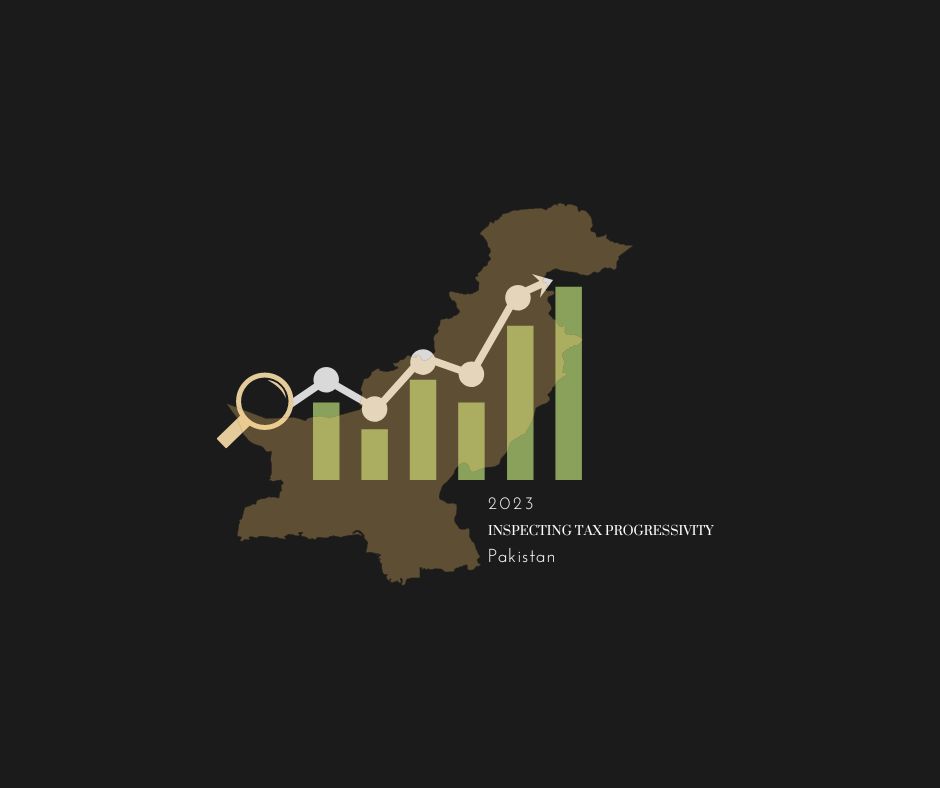
Hidden Regressivities: The incidence of Income and Presumptive Taxes in Pakistan
Research Question:
How do fixed-tax regimes on specific transactions alter the progressivity of Pakistan’s income tax system, and to what extent do they create hidden regressivity within a formally progressive structure?
ABSTRACT | PDF | CODE
Fetal Origins and Socioeconomic Status: How far will a silver spoon take you?
Research Question:
How does prenatal exposure to a pandemic affect long-term socioeconomic outcomes across different socioeconomic strata, and to what extent does parental SES mediate or exacerbate these effects?
ABSTRACT | PDF | CODE
Policy Briefs, Articles, & Commentaries
Tax Audits as Signals: Designing Smarter Enforcement in Pakistan
I examine how tax audits in Pakistan act as signals that shape taxpayer behavior highlighting the limits of blanket enforcement and the potential of smarter, risk-based strategies.
READ HERE

The Truth about the Tax Ordinance
The Tax Laws (Amendment) Ordinance 2025 is not a bypass of parliament, but a long-overdue fix to Pakistan’s enforcement gap. It upholds judicial authority, ensures timely recovery, and strengthens trust in a rules-based system.
READ HERE
The Shifting Landscape of Pakistan’s Formal Workforce (2014-2024): A Decade of Salary Income Dynamics & Socio-economic Transformation
The Tax Laws (Amendment) Ordinance 2025 is not a bypass of parliament, but a long-overdue fix to Pakistan’s enforcement gap. It upholds judicial authority, ensures timely recovery, and strengthens trust in a rules-based system.
BACK TO TOP